
Screw pumps are used in many industries to move liquids from one point to another. They are valued for their steady flow and ability to handle fluids with different viscosities. But regular use can lead to wear and operating issues.
Sometimes, a pump may start making unusual noises. In other cases, the flow may drop, the temperature may rise, or fluid may leak from the seals. These signs should not be ignored. A small fault can turn into a bigger problem if the pump continues to run without inspection.
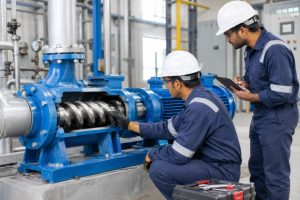
Knowing the screw pump parts and function makes it easier to understand where a problem may begin. It also helps maintenance teams decide what needs to be checked before the issue affects the entire pumping system.
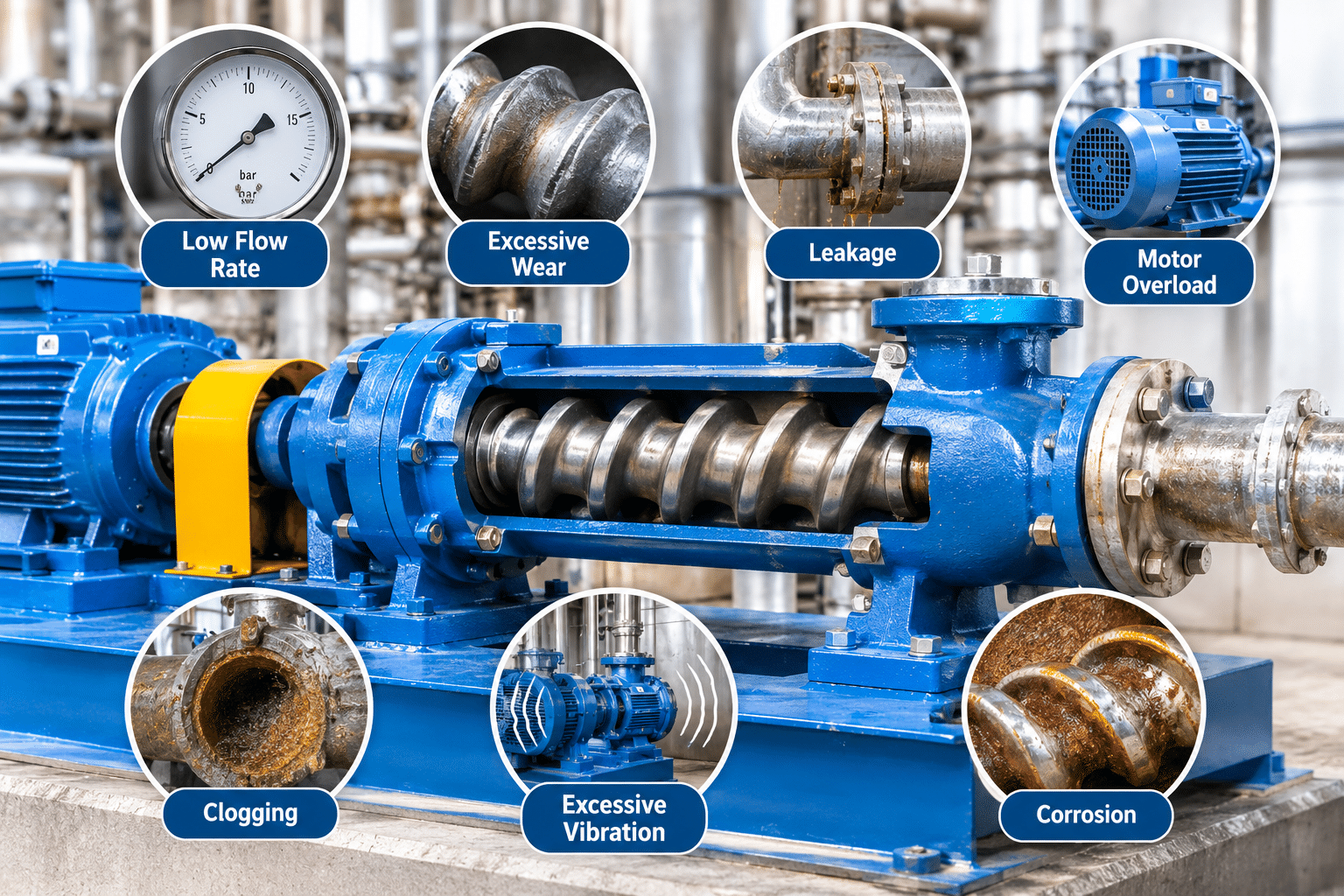
Here are seven common screw pump problems and some practical ways to deal with them.
1. The Pump Is Delivering Less Fluid Than Usual
A noticeable drop in flow can affect the entire production process. The pump may still be running, but it may not be delivering the required amount of liquid.
This can happen due to:
- A blocked suction pipe or filter
- Air entering through loose connections
- Worn internal components
- Incorrect pump speed
- Changes in fluid viscosity
What can you do?
Start by checking the suction line and cleaning the filter if needed. Check the connections for air leaks. If these are clear, inspect the internal components for wear. Also, check whether the pump speed is suitable for the fluid being handled.
2. The Pump Has Started Making Unusual Noise
A properly installed screw pump generally runs with low noise and vibration. If you hear rattling, grinding or repeated knocking sounds, it is worth checking the equipment.
Some common reasons include:
- Loose foundation bolts.
- Worn bearings
- Misalignment between the motor and pump
- A damaged coupling
- Poor suction conditions
What can you do?
Check the foundation bolts and coupling first. Make sure the motor and pump shafts are aligned correctly. If the noise continues, inspect the bearings and suction arrangement. Avoid running the pump for long periods when the source of unusual noise is unknown.
3. The Pump Gets Too Hot During Operation
A pump that becomes unusually hot may be working under conditions that are not suitable for its design. Continued operation at high temperatures can damage seals and other internal parts.
This may happen when:
- The pump runs without enough liquid
- Discharge pressure is too high
- The fluid is thicker than expected
- Internal parts have started wearing out
- The drive assembly has lubrication problems
What can you do?
Check the fluid supply and make sure the pump does not run dry. Compare the operating pressure with the recommended range. If the temperature remains high, arrange an inspection of the bearings, seals and other moving parts.
4. Fluid Starts Leaking from The Pump
Leakage around the shaft, casing or pipe connections is a problem that needs attention. Apart from fluid loss, it can also create housekeeping and safety concerns.
The likely causes are:
- Damaged mechanical seals
- Loose pipe connections
- Worn shaft surfaces
- Excessive operating pressure
- Incorrect seal material
What can you do?
First, find out exactly where the fluid is escaping. Check the mechanical seal and surrounding connections. If the seal is damaged, replace it with a suitable one. Also, check the shaft for wear before fitting a new seal.
5. Rotor And Stator Wear Out Too Quickly
In a progressing cavity pump, the rotor and stator work together to move fluid through the pump. Both parts need to remain in good condition for the pump to deliver the required flow.
Understanding single screw pump parts can help maintenance teams identify the source of this problem.
Early wear may be caused by:
- Abrasive particles in the fluid
- Running the pump without liquid
- High operating temperatures
- Incorrect elastomer selection
- Chemical incompatibility with the stator material
What can you do?
Check the fluid for solid particles and use suitable filtration where required. Make sure the stator material matches the fluid and operating conditions. If the rotor or stator is severely worn, it may need to be replaced.
6. The Pump Gets Blocked Frequently
Blockages can interrupt production and increase the need for maintenance. Although some screw pump designs can handle fluids containing solids, they still have operating limits.
The problem may be linked to:
- Large solid particles
- Fibres or foreign materials
- Deposits in the suction pipe
- Unsuitable fluid handling conditions
What can you do?
Inspect the suction line and remove any unwanted material. Check whether the fluid contains particles larger than the pump can handle. Where needed, use a suitable strainer. The choice of single screw pumps should always consider the fluid’s solid content and consistency.
7. Discharge Pressure Keeps Changing
Discharge pressure that rises and falls while the pump is running can affect the flow reaching the process. It may also indicate an issue in the pumping system.
| Possible Reasons | What to Check or Do |
| Air entering the suction line | Check the suction line for leaks and ensure proper sealing. |
| Blocked discharge piping | Inspect the discharge line for blockages or restrictions. |
| Worn internal components | Inspect internal pump parts for wear or damage. |
| Changes in fluid viscosity | Check whether changes in fluid thickness are affecting pump performance. |
| Incorrect pump speed | Monitor and adjust the pump speed as per operating requirements. |
If the pressure continues to fluctuate, inspect the pumping system to identify and address the cause.
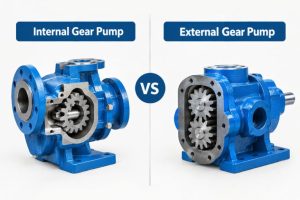
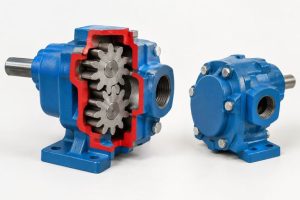
For clean oil transfer duties, an external gear oil pump may also be considered, depending on the required flow, pressure and fluid properties. However, the choice should be based on the actual application rather than treating different pump designs as interchangeable.
Choose The Right Care for Long-Term Pump Performance
Most screw pump problems become easier to manage when they are identified early. Regular inspections, correct installation and suitable operating conditions can reduce unexpected breakdowns. Maintenance teams should also keep a record of changes in flow, pressure, temperature and noise. These checks can help identify recurring issues before they cause major downtime.
Knowing the screw pump parts and function is useful when inspecting equipment. Similarly, understanding single screw pump parts helps teams check the rotor, stator and other important components during maintenance. An external gear oil pump may suit specific oil transfer applications, while single screw pumps are worth considering for fluids with different viscosities. The selection should always match the process requirements.
Delta PD Pumps manufactures industrial pumping solutions, including single screw pumps, for different fluid handling applications. They offer options with different material and elastomer combinations to suit operating needs. Their product range and technical support help industries assess suitable pumping solutions for their processes.