

Moving liquids through an industrial system is not always easy. Thick oils may take longer to flow, some chemicals need special handling, and certain fluids change their consistency with temperature. The pump used for these tasks must match the liquid and the conditions in which it will operate.
A poor pump selection can cause irregular flow, excess load on components and frequent maintenance. This is why industries need to understand the working principles of different pump designs before making a purchase.
Rotary pumps are commonly considered for oil transfer and other fluid movement applications. However, not every design suits every liquid. Viscosity, pressure, temperature and material compatibility all play a role in the selection process.
What Makes Some Industrial Fluids Difficult to Transfer?
The first step in pump selection is to understand how the liquid behaves. Two fluids may look similar but have very different flow properties. These differences can affect how easily they pass through pipes and pumping equipment.
For instance, a light oil can move through a system with less resistance than a thick lubricant. Some chemicals may also react with the materials used in pump construction.
A few fluid properties deserve attention before choosing a pump:
- Viscosity: Thick liquids need sufficient pumping capacity to overcome flow resistance.
- Temperature: Changes in temperature can make a fluid thinner or thicker.
- Chemical properties: Certain chemicals may damage unsuitable metals, coatings or seals.
- Pressure requirements: The pump must meet the pressure needed by the process.
- Flow demand: The required liquid volume affects pump capacity and operating speed.
These details help engineers identify suitable industrial fluid handling pumps without relying on assumptions about the liquid.
How Does a Rotary Gear Pump Move Viscous Liquids?
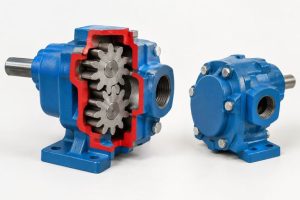
A rotary gear pump moves liquid through the rotation of its internal components. In a conventional gear arrangement, rotating gears create spaces that draw liquid through the inlet. The fluid then travels around the casing and leaves through the discharge opening.
This is a positive displacement pumping method. The movement of the gears transfers a defined volume of liquid during each rotation, subject to operating conditions and internal clearances.
An industrial rotary gear pump can be considered for processes involving lubricating oils, fuel oils and other compatible liquids. It is particularly useful where a controlled and steady transfer rate is required.
However, thick liquids need careful handling. The pump speed, suction arrangement and operating temperature should be checked to ensure that the equipment can handle the fluid without excessive strain.
Suitability of Trochoidal Gear Pumps for Different Applications
Trochoidal gear pumps use a different internal arrangement from conventional gear pumps. They have an inner rotor that moves within an outer rotor. Both components work together to form chambers that change in size as they rotate.
These changing chambers draw liquid into the pump and move it towards the outlet. The arrangement allows fluid transfer through a compact pumping mechanism.
Delta PD Pumps offers the Rotary Trochoidal Gear Pump, Series DRT/DRTBP, for selected industrial applications. Its published specifications include:
| Technical Parameter | Product Specification |
| Capacity | 3 to 40 LPM |
| Pressure | Up to 7 bar |
| Maximum Temperature | 110°C |
| Viscosity Range | 1 to 500 cSt |
The pump is designed with precision-machined components and a compact construction. Its applications include oil transfer, barrel unloading, lubrication and pumping units.
A rotary gear pump with a trochoidal arrangement may be worth considering for these duties when the process requirements fall within its specified operating range. For chemical applications, buyers must also confirm that the pump’s wetted materials and seals are compatible with the liquid.
External Gear Pumps vs Trochoidal Pumps: Key Differences and Design Features
The two designs may serve similar fluid transfer purposes, but their internal mechanisms are not the same. Understanding their construction helps buyers discuss the right option with a pump manufacturer.
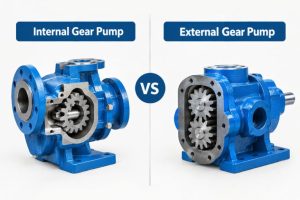
An external gear arrangement uses two gears that mesh with each other. As they rotate, liquid moves through the spaces between the gear teeth and the casing. A trochoidal arrangement uses an inner and outer rotor to create changing fluid chambers.
| Comparison Point | External Gear Design | Trochoidal Design |
| Internal Arrangement | Two meshing gears | Inner and outer rotors |
| Pumping Action | Fluid moves around the gear casing | Fluid moves through changing chambers |
| Selection Factors | Pressure, viscosity and clearances | Temperature, viscosity and operating limits |
| Common Considerations | Gear wear and fluid compatibility | Rotor condition and fluid compatibility |
A gear pump external design may suit certain lubrication and oil transfer applications. A trochoidal design may be preferred when its compact construction and specified operating range meet the process needs. The decision should always be based on the actual fluid and system requirements.
What Should Engineers Check Before Buying a Pump?
Pump selection should begin with the process details, not just the required capacity. Sharing accurate information with the supplier makes it easier to identify a suitable design.
For a practical evaluation, engineers should review the following:
- Fluid and operating details
Provide the fluid name, viscosity, temperature range and chemical composition. If the liquid changes consistency during operation, mention this as well.
- System requirements
The suction arrangement, discharge pressure, flow rate and available installation space should be considered together. These factors affect how the pump will perform within the complete system.
- Maintenance expectations
Check the availability of spare parts, servicing support and inspection requirements. Easy access to maintenance services can help reduce equipment downtime.
For chemical transfer, material selection needs extra care. The casing, seals and other wetted components must be suitable for the liquid. This is an important step when comparing different industrial fluid handling pumps.
Key Factors to Consider When Evaluating a Pump Manufacturer
A pump’s performance depends on more than its construction. Correct sizing, installation and maintenance also influence its service life. This makes the manufacturer’s technical experience an important part of the buying decision.
When comparing rotary gear pump manufacturers in India, buyers should look at their product range, application knowledge and after-sales support. They should also check whether the supplier can provide suitable spare parts and technical guidance.
A manufacturer should be able to explain the pump’s operating limits and help buyers understand whether the selected design fits their process. This is especially important when handling thick oils or chemicals that require specific material and performance considerations.
Select a Pump That Fits the Fluid and Working Conditions
There is no single pump design that works best for every industrial liquid. Thick oils, lubricants and chemicals have different handling requirements. The right selection depends on viscosity, temperature, pressure, material compatibility and the flow needed by the process.
Comparing available designs and consulting experienced rotary gear pump manufacturers in India can help industries make a suitable choice. Delta PD Pumps offers rotary trochoidal gear pumps for applications such as oil transfer, barrel unloading and lubrication. With its experience in positive displacement pumping solutions, they help buyers explore application-specific options, while their technical knowledge supports informed equipment selection. Visit their Rotary Trochoidal Gear Pump page to review the product details.